
Easy Steps to Write a Sales CV
Let’s be honest for a second. Writing a sales CV is one of those tasks you keep pushing to “later,” and then later never really comes. You open a laptop, stare at the page, type a few words, delete them, and suddenly you are shocked why this thing feels complicated than actually selling something. This sounds weird, right? You know your work. You talk to customers every day. But when it comes to writing it down, everything suddenly feels too big or too boring.
And that’s where many people start thinking, “Maybe I should just ask someone for help,” which is why professional services are becoming so common. But the funny Part is, you can write a solid sales CV yourself. You need someone to walk you through it in a simple way without throwing fancy words and complicated templates at you.
This blog is exactly that, just a simple guide written like someone sitting beside you, showing you what works and what doesn’t. So let’s get started with the details without waiting any further.
Exquisite Tips for a Simple Sales CV
Most people rush to write a CV without knowing what makes it a good one. So, let’s have a look at the base in the simplest way possible. Furthermore, you can turn to CV writing services if you feel writing this on your own is a big and tough task. There are numerous service providers available that help people write a job application that stands out.
Your Sales CV Should Tell a Clear Story
When someone picks up your CV, they should understand your journey without feeling confused. A sales CV isn’t just a list of past jobs. It’s more like a short story about how you grew in sales, what you learned, and how you helped your company deliver results.
Most hiring managers don’t have time to read long blocks of text. They skim and jump around. They look for numbers and easy clues. So your goal is to make their job simple and keep things clean and readable. Show what you have done and not just where you have worked.
Here is a quick table to show what hiring managers look for in the beginning:
| What They Check First | Why It Matters |
| Job Titles | Helps them see your sales level |
| Achievements | Shows impact in real numbers |
| Skills Section | Quick way to judge your fit |
| Layout & Structure | Tells them if you’re organised |
A clear structure helps your resume feel stronger without becoming complicated. Consider it like arranging items on a shop’s shelf. The sales executive job description for CV should be in a way that keeps those things at the front, so that people notice.
Use Simple, Strong Points to Show Your Skills
When you’re writing about your skills, keep things straight to the point. No long explanations and no fancy buzzwords that sound fake. Your skills section should help the hiring manager understand what you actually do day to day.
Most people think they need a big list, but you don’t. You need the right ones. And they should connect with real tasks you’ve handled. This is also where many job seekers look at sales CV tips online, but the trick is to keep it personal and honest.
Here’s a quick list of skills that usually work well in sales roles:
- Customer handling
- Lead generation
- Closing deals
- Cold calling
- Negotiation
- CRM tools
- Product demos
- Follow-ups
- Reporting
Similarly, if you are applying for a managerial position, you must mention skills relevant to management on your sales manager CV.
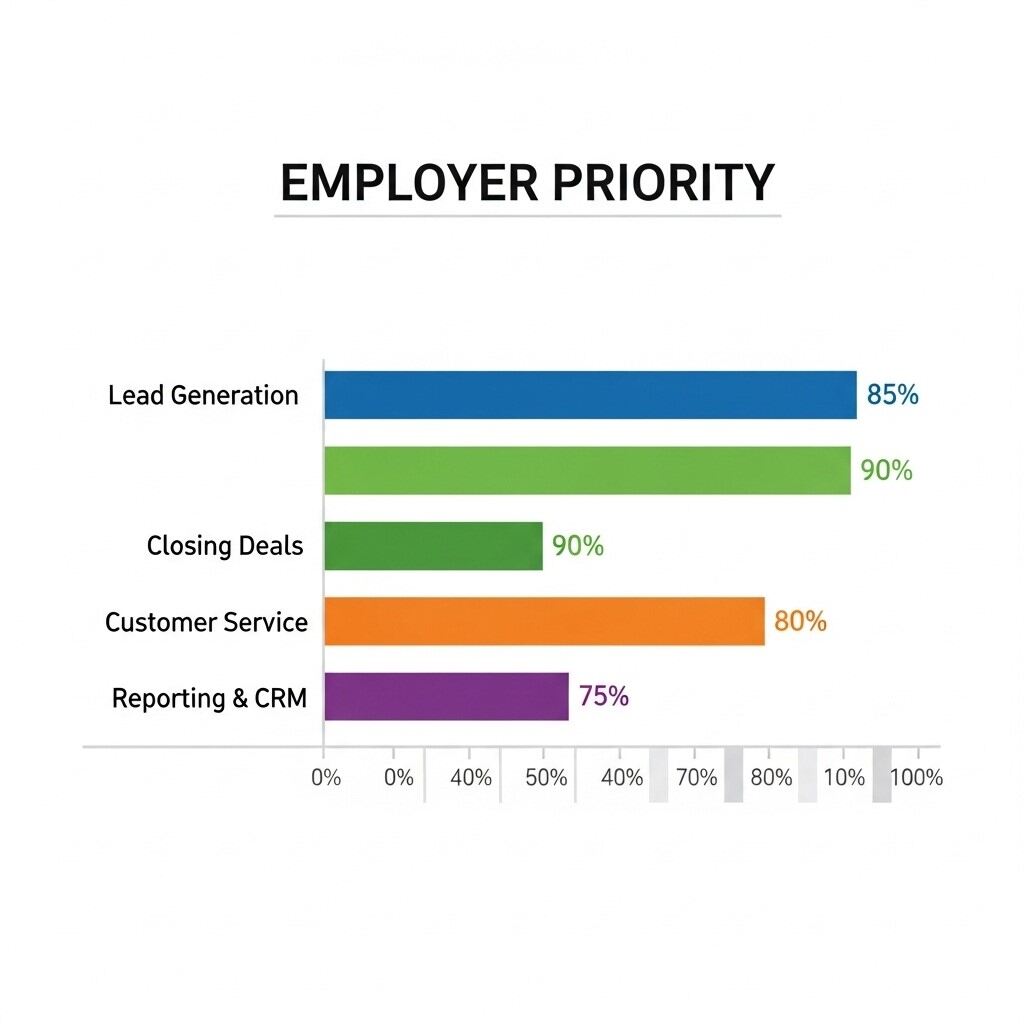
Keep your skills short, real, and relevant. It helps hiring managers to see what you’re going to bring to the table.
Show Your Results With Real Numbers
If there is one thing every hiring manager loves, it is numbers. Sales is a numbers-driven field, so your CV should reflect that. You don’t need big, dramatic results, especially in a sales associate job description CV. Even small wins are counted as long as they are honest. This is something most guides don’t remember to say, but it is important.
Many people check a sales CV guide and try to copy fancy lines, but the best ones are usually the simplest. Here are some examples of numbers you can show:
- Increased monthly sales by 12%
- Closed 18–25 deals per month
- Managed a customer list of 300+ leads
- Converted cold leads into warm prospects
- Helped reduce customer complaints by 20%
When highlighting your achievements, use concrete numbers wherever possible — this not only shows your impact but also aligns with the data-driven practices top performers use to continuously improve sales results
Here’s a small table to show how numbers make your CV stronger:
| Without Numbers | With Numbers |
| Improved sales | Improved sales by 12% |
| Handled leads | Handled 300+ customer leads |
| Closed deals | Closed 20 deals per month |
Numbers help people trust you.
Match Your Experience With the Job You Want
Most people make one big mistake when applying for sales roles: they send the same CV everywhere. But every job is a little different. A sales executive role wants one thing, a retail position wants something else, and a B2B role might want something deeper. So your sales executive CV should shift slightly depending on the job.
Think of it like adjusting your pitch when talking to different customers. You don’t use the same words with everyone. You tweak your approach, but your core stays the same.
That’s exactly how you should update your CV.
Before writing your experience section, read the job post and notice the key terms. Here’s a small list to keep things clear:
- Look for the top 3 things the job post repeats
- Add your matching experience near the top
- Use the same simple wording they use
- Keep every point short and to the point
This little tweak makes your resume feel more relevant, and hiring managers notice it quickly.
Make Your Work History Easy to Scan
Get started with your recent job. Mention your company name, title, dates, and then some points about what you have done there. All you need to do is make it readable. This is where many people check sales resume examples online, but remember that simplicity always wins.
Here’s a quick format that always works:
- Job Title at Company Name
- Dates
- What you handled
- Who did you work with
- What results did you bring
- Any small achievement worth mentioning
And here’s a tiny visual to show how hiring managers skim resume for sales positions:
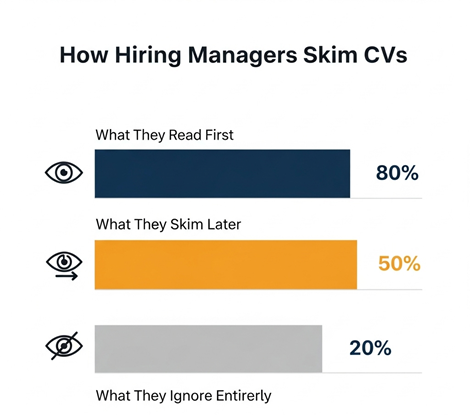
So keep your main points at the top of each job. Make each line short but meaningful. A clean layout makes you look confident before they read the details. Still, if you feel like you have a lot to cover and a resume is not enough for that, you can write a cover letter. A cover letter helps in writing details you don’t want the recruiter to miss. So, look for a professional cover letter writer NZ or write on your own if you have technical writing expertise.
Show Your Strengths in a Small Section
Sometimes your sales representative job description resume isn’t just about jobs or numbers. It’s about the little things that make you good at sales. How you deal with customers and how you handle pressure. These small things matter.
- You can make a tiny “Strengths” or “Highlights” section.
- Just 4–5 simple lines. Keep it real, don’t overthink it.
- You’ll see these in a sample sales CV, but don’t copy and make it your own.
Here are a few easy examples:
- I stay calm with tricky customers.
- I always follow up on leads.
- I enjoy learning new products.
- I work well under pressure.
- I explain things clearly and simply.
The Final Notes
Writing a sales CV doesn’t have to be complicated at all. Show your story, your skills, and what you’ve done. Add numbers when you can and make it easy to read. Even small sections, like a highlight or a summary, strengthen your application.
If you ever feel stuck writing your resume, then you can ask for professional help. An experienced writer can make things easier, but you can do it yourself, too. Keep in mind that a good sales resume tells who you are, what you can do, and what you have done before. A CV that’s simple and focused will catch the eye. A messy one might get ignored. Follow these tips, make it personal, and you’ll have a better chance of landing your next sales job.

Mila Jones is a professional CV writer at CV writing NZ, she knows exactly what it takes to catch a recruiter’s eye. Mila specializes in crafting modern resumes and writing insightful blogs that cover everything from cover letter trends to interview-winning strategies. Her expert tips are a go-to resource for anyone looking to increase their interview calls and secure better job offers.