
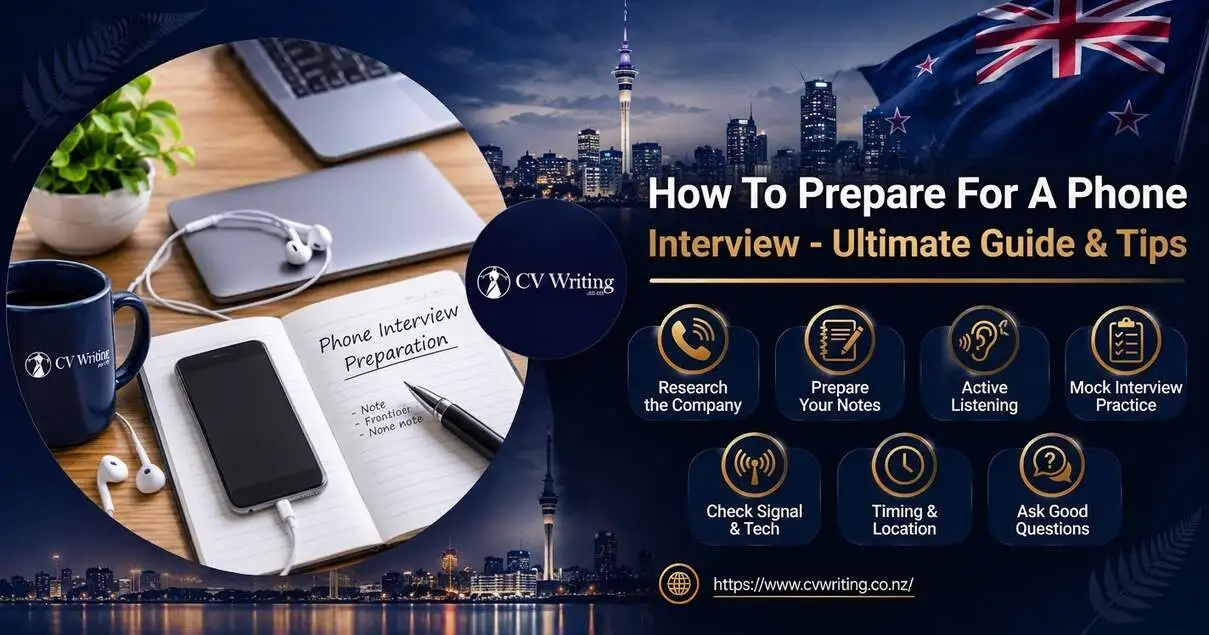
How To Prepare For A Phone Interview
Preparation for a phone interview demands a certain level of confidence, research, and communication skills. Learn how to answer questions, make a great first impression, and sell yourself to prospective employers.
Unlocking Secrets To Great Phone Interviews
Just one initial call on the phone can easily lead to some incredible opportunities for professional career success once job candidates feel completely prepared.
Using voice conversations, candidates will be able to convey genuine interest while also showing their main successes in a clear way.
Proper preparation ahead of time helps turn nerves into confidence before the phone call is made during the interview process. Learning how to convey key skills in communication ensures that candidates will make a lasting first impression.
Using basic phone communication skills makes it easier to distinguish oneself among the candidate pool. Learn about helpful tips that will ensure every phone call moves the career process forward.
Boost Initial Candidate Standing With Expertly Written Resume
Working with the best CV writing service makes sure that your invaluable professional background is prominently showcased when recruiters evaluate your application before the call. Well-designed resumes make it easy to showcase relevant success factors that immediately provide reasons to have a proper call scheduled.
A carefully crafted professional summary makes it easier for recruiters to extract conversation starter ideas through brief preliminary phone calls. Professional background presentation through professional design keeps your advantages fresh in the mind of those making decisions.
The high quality of documents provides you with a solid base of professionalism even before saying anything. This gives you the opportunity to feel confident about your telephone conversations.
Win Hiring Manager Attention Through Targeted Application
Spending time on professional resume writing enables candidates to correlate their career experience with certain positions offered. Professionally written resumes make sure that all necessary skills, industry certificates, and accomplishments grab the immediate attention of busy headhunters.
When you match your application papers with the core responsibilities of a particular position, initial screening interviews become fun talks. Career facts stated clearly enable recruiters to start a great conversation about your suitability for a job.
Preparation of job application wording enables candidates to state their career background very precisely in interviews. Professionally written job applications make sure that every phone call is exciting and rewarding.
Build Instant Professional Authority Using Tailored Cover Letters
Having a professional cover letter writer enables job applicants to convey their passion and uniqueness in a very convincing way. The creation of a unique and tailored introduction letter allows you to create a warm and professional impression right from the start before saying a word on the phone.
Including certain details about the organisation shows your dedication and hard work in researching the position you are applying for. Recruiters tend to mention certain unique things from your well-written cover letter when they call you up for an interview. Good introductions help create a great impression that makes the telephonic interviews more relaxed.
Secure First Round Success By Mastering Core Phone Interview Tips
Reviewing some useful phone interview tips allows applicants to prepare themselves for creating a comfortable and tranquil environment for clear and effective voice communication. Allowing sufficient time to prepare all necessary notes on the desk, charging your gadgets, and checking your call connection eliminates any technical stress beforehand.
Standing or keeping good posture when making a call increases voice delivery and energy level, as well as a natural tone. Keeping a smile while talking passes positive energy and enthusiasm via the telephone line.
Taking notes helps candidates not forget important information regarding the team structure and further procedure. Proper environmental preparation will make your voice sound pleasant, understandable, and absolutely professional.
Gain Crucial Role Insight By Preparing Smart Questions For Interviewers
Creating an intelligent set of questions to ask the interviewer is always a good sign of initiative and enthusiasm about the available job position. Questions regarding the company culture, duties of the candidate, and future projects of the company show how proactive one is, which hiring managers always appreciate.
Asking smart questions changes ordinary screening interviews into a more professional conversation that will be remembered. Well-made inquiries can help the candidate decide if the culture of the company matches their personal objectives.
Proactive candidates distinguish themselves from passive candidates because they involve the recruiters in a conversation about the industry. Good conversations always end with asking relevant questions.
Excel Early Candidate Screening During Phone Screen Interview
Careful preparation for a phone screen interview allows the candidates to deliver the most crucial credentials in an articulate and appealing way. The first phone conversations pay close attention to the candidate’s relevant work experience, compensation requirements, and basic cultural fit for the position.
Being well-prepared for the conversation by having ready short statements about previous jobs will allow you to keep the talk well-structured, positive, and on target. The recruiters appreciate it when the candidates are able to talk about their most valuable experiences without going off topic.
Taking phone screens seriously, just like any other meeting, will result in good outcomes and quick advancement through the interview process. Confident responses on the phone will establish trust with the recruiter right away.

A clear CV gives recruiters strong talking points for your phone interview. Our CV writers can help you present your experience, skills and achievements clearly.
Review My CVDeliver Powerful Behavioural Answers Using The STAR Technique
The process of structuring your career stories with the help of the STAR technique / STAR method helps keep your behavioural responses structured, effective, and understandable. Splitting responses into situations, tasks, actions, and results makes it easier for people listening to you to understand the real value of what you did.
Showing results that are clear and measurable shows your competence while making your answers short and concise by focusing on solving problems.
Structured ways of answering questions make it easier to stay away from irrelevant conversation threads and make sure that your successes are the main focus of attention.
A structured way of storytelling helps job-seekers gain great confidence in answering unexpected questions about your work-related issues and successes.
Craft Memorable Self-Introductions For Open-Ended Icebreaker Questions
Addressing the typical interview question tell me about yourself gracefully introduces a very positive tone that continues for the rest of the call. It is important to construct an answer that effectively mixes your latest career successes, useful skills, and excitement about the new job.
Stick to the professional facts only to ensure that your first answer is interesting, appropriate, and perfectly targeted to the company’s needs. A well-constructed introduction will show that you are self-aware and a good communicator.
Structuring your first answer will help you immediately build a positive rapport and get rid of any awkwardness at the beginning of the conversation.
Answer Common Phone Interview Questions With Confidence And Clarity

Responding to common phone interview questions helps candidates to present their thoughts fluently without any pause or filler words. Knowing what sort of questions will be asked about career objectives, strengths, and preferred working conditions will help you provide perfect answers.
Understanding examples that show how flexible, a team player, and skilled you are will help you give real answers. A fluent presentation shows proper preparation and will help recruiters have full confidence in your professional qualifications.
Familiarity with standard questioning will help candidates keep cool when faced with difficult questions. Proper preparation will help you to emphasise your qualities and devotion to professionalism.
Before your call, take time to review these questions you might be asked in an interview and practise your answers so you can respond with confidence and clarity.
Navigate General Phone Interview Questions With Poise And Precision
Going through the target phone interview questions before the call enables candidates to tie their own experiences to job responsibilities.
Comprehending the actual reasons why recruiters pose certain questions makes it easier for candidates to give answers that will resolve organisational issues.
Providing well-thought-out answers shows that you fully understand what is expected of you from the job you applied for. Relevant answers will keep the interviewer interested throughout the call and make it useful.
Thinking for a little bit before you provide an answer will enable you to provide a clear one. Mindful talking will help your voice show intelligence and professionalism.
Avoid Costly Phone Interview Mistakes Through Smart Preparation
Knowing major phone interview mistakes to avoid will prevent typical errors such as talking over the interviewers or taking interviews in busy locations.
Selecting silent indoor locations and ensuring that your cell phone has a good signal allows you to communicate clearly and without interruption through the entire process.
Ensuring that there are no distractions during your interviews will make sure that your full attention is given to the interviewers. Being an active listener is one of the ways to show the recruiters that you value their time while gaining necessary information regarding the job.
Maintaining your speech speed makes sure that your conversation partners have enough time to absorb the vital information.
- Noisy place and weak signal
- Rambling answers with no structure
- No questions for the interviewer
- Quiet room and good signal
- Short, structured answers
- Smart questions ready
How To Start And End A Phone Interview Professionally
It is important for candidates to know how to start and end a phone interview, because it will help them make a professional impression at both ends of the telephone.
Starting the conversation with a polite greeting by name shows respect and creates a good atmosphere at once. Expressing your gratitude and giving information on your further plans will show your good manners and politeness while finishing the call.
Ending the conversation on a high note will help the recruiters remember you. Beginning and ending conversations properly requires good interpersonal skills, which are one more quality that makes good candidates better than ordinary ones.
Adopt The Most Effective Ways To Prepare For A Phone Interview
Using the most effective ways to prepare for a phone interview leads to peak performance and mental calmness on the interview day.
Finding out about company values, printing reference notes, and practicing speaking helps create a smooth oral presentation and confidence in the conversation.
Having all information on the resume, job description, and the questions prepared lying around will help you reference them quickly and without any stress.
Regularly following good preparation strategies will turn difficult interviews into fun chances to demonstrate your true abilities. Systematic research will help applicants appear authoritative, enthusiastic, and knowledgeable during the conversation.
Master Responses For The Most Common Phone Interview Questions
Preparing answers to the top five most common phone interview questions will give applicants a great head start in the initial recruitment process.
Being knowledgeable about the common questions related to salary, availability, background, and motivation will allow one to give clear and stress-free answers all the time.
Giving well-balanced and truthful answers concerning career changes and unemployment periods is an indication of having high levels of integrity and professionalism. Giving clear answers to the basic questions helps to keep the conversation lively and very clear.
Preparing for the major questions asked by the recruiters enables the candidates to concentrate on showing their enthusiasm and developing personal rapport in the interview calls.
To prepare for questions about your interest in the role, see our guide on how to answer “Why do you want to work here?” and learn how to connect your answer with the company.
Advantages And Disadvantages Of Phone Interviews
Awareness of the advantages and disadvantages of phone interviews is key to adjusting your communication style and coping with audio interview drawbacks. The strength of using the phone lies in being able to refer to personal notes secretly, while losing the useful visual signals of body language.
Making up for the lack of visual cues demands the use of dynamic vocal inflections, proper articulation, and verbal affirmation when engaging in a conversation. Being an energetic speaker ensures that you bring out your personality vividly without visual interaction.
Taking advantage of telephone interviews’ strengths and overcoming their audio weaknesses will allow the candidates to retain full control over the conversation process.
- Notes can be used discreetly
- You control your setting in advance
- Short call that covers key qualifications
- No body language to read
- Your voice must show your personality
- Audio problems can interrupt the call
Deliver A Compelling Personal Pitch Seamlessly
Developing a concise and effective 60 to 90 second personal pitch can help individuals convey their value briefly and efficiently.
Having all the most important achievements, competencies, and passion for the profession condensed into one short description will grab recruiters’ attention right away.
A well-crafted pitch is evidence of superior communication skills because it delivers a lot of information within an extremely short time. Practicing your personal pitch will help you ensure fluent speech without unnecessary pauses.
Conveying a great personal summary shows your readiness to provide instant value for the company. A value pitch becomes a wonderful tool of personal branding
“I am a marketing coordinator with four years of experience in campaign planning and social media. In my last role, I helped grow our email subscriber list by 25 per cent in six months. I am now looking for a role where I can use my planning skills and creative ideas to support a growing brand, which is why this position caught my attention.”
Succeed In Your First Graduate Interview With Proven Preparation
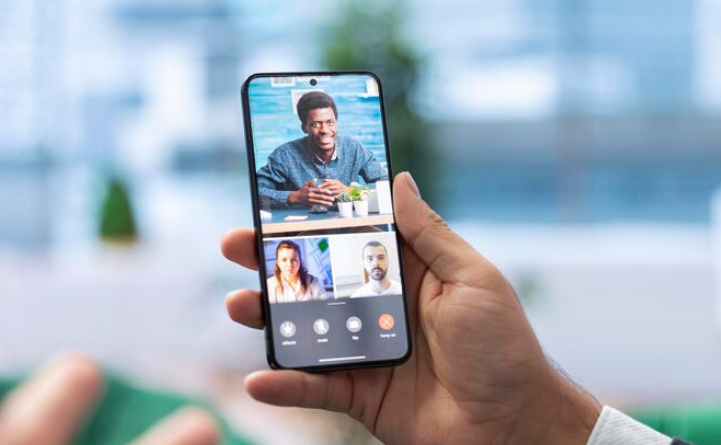
Phone interview for graduates help new employees highlight their academic accomplishments and internship work with great enthusiasm. Highlighting transferable skills, leadership positions at universities, and eagerness to learn makes up for limited experience in your career.
Your real passion for the industry makes recruiters feel confident that you have the motivation to grow. Your clear career objectives prove that you are mature enough to become a part of the professional world.
Entry-level candidates who demonstrate confidence and positive energy right away catch the attention of talent acquisition professionals. Proper preparation allows graduates to turn an entry-level phone screen into a great job offer.
Confidently Tackle Common NZ Phone Screen Interview Questions
Knowing the common NZ phone screen interview questions can facilitate easy communication if you are looking for jobs within the region’s employment market. New Zealand recruiters usually look at candidates’ fit into the local workplace culture, collaboration, and problem-solving skills along with technical know-how.
Knowing what the local workplace looks for enables you to present your accomplishments in such a manner that they resonate well with the employers.
Highlighting your collaborative accomplishments politely shows your adaptability and willingness to fit into the collaborative environment of local workplaces.
Making your answers in line with local workplace expectations helps you to establish rapport instantly and shows your complete readiness for joining teams.
Follow Up After Phone Interviews To Solidify Lasting Positive Impressions
Sending an appropriate thank-you email right after learning how to prepare for a phone interview shows your strong enthusiasm for the job you are applying for. Talking about the various topics you have talked about in the phone call will show your attentiveness and dedication for joining their organisation.
Giving assurance to the hiring manager about your credentials will be a powerful final impression they will have while considering other applicants. Quick follow-ups after the interview are a sign of good business etiquette.
Showing appreciation to the interviewer for their time helps build good feelings that will make them remember you for any other process. Following up after the interview will help ensure that your name is always linked to professionalism.
Frequently Asked Questions
How long does a preliminary phone call last?
A standard phone interview call lasts between 15-30 minutes. This brief process ensures that the interviewee has the required qualifications, has fair salary expectations, and is compatible with the company culture before proceeding to interviews.
Can you use notes during an interview over the phone?
Yes, one of the best things about a telephone interview is that you can have access to written notes. When your CV, your list of achievements and your list of questions for the interviewer are organised and neatly displayed on your desk, you can answer them confidently, accurately, and in a clear manner.
What to do if you lose your mobile phone reception mid-conversation?
After a call drops, don’t panic, and dial the interviewer back right away, sending a quick and polite apology email or text. Showing calmness when faced with minor technical issues reflects the ability to handle problems, manage emotions, and exhibit professional composure in what can be surprising situations.
When should I write a follow-up letter to a phone interview?
The general rule is to follow up a telephone interview with a short, business-like thank-you letter or e-mail within 24 hours. Following up promptly reflects considerable interest in the job, excellent business etiquette, and effective communication skills that recruiters highly appreciate.
During a phone call screening, should I mention salary requirements?
If they do ask about salary, respond honestly to the interviewer’s question with a range of salary options that you have researched based on your level of experience. During initial phone calls, don’t be afraid to highlight your abilities, learn more about the role, and build professional relationships.
Conclusion
Practicing for a phone interview is an important part of landing exciting career development opportunities in today’s professional world.
The configuration of quiet rooms, preparation of application notes, and learning of structured communication skills give candidates the confidence to handle all calls with absolute security.
Learning a few techniques, such as how to respond to typical interview questions, provide a personal pitch, and pose questions that add value to the interview, is a huge factor in boosting a candidate’s profile.
By steering clear of common pitfalls and upholding active, effective listening practices, telephone screening sessions can be both captivating and highly effective.

Mila Jones is a professional CV writer at CV writing NZ, she knows exactly what it takes to catch a recruiter’s eye. Mila specializes in crafting modern resumes and writing insightful blogs that cover everything from cover letter trends to interview-winning strategies. Her expert tips are a go-to resource for anyone looking to increase their interview calls and secure better job offers.